

BuildForce Canada has released its annual Construction and Maintenance Looking Forward reports for the residential and non-residential construction sectors. This particular story pertains to Manitoba and Saskatchewan and covers the forecast period from 2026 to 2035. The Daily Commercial News will have more provincial breakdowns from across Canada as well as national coverage in upcoming articles.
WINNIPEG – Things are only looking up for Manitoba as BuildForce predicts construction activity is expected to rise through 2035, largely the result of elevated levels of activity on non-residential construction projects.
Residential construction investment levels are forecast to rise modestly over the period. In the near term, new-housing construction activity is expected to decline due to slowing population growth and reduced demand, but this is partially offset by continued growth in residential renovation activity. Over the longer term, housing starts are expected to stabilize.
By 2035, residential construction employment in Manitoba is projected to contract by three per cent compared to 2025 levels, with employment losses exclusive to the new-housing sector.
Non-residential construction will see a different outlook as it is expected to be a key driver of growth over the decade.
“Investment has been increasing since 2023 and is forecast to rise to a peak in 2030, supported by major engineering construction projects in utilities, transportation infrastructure, and resource development,� the release states. “Key projects include new power-generation capacity investments by MB Hydro, ongoing activity at the Winnipeg North End Sewage Treatment Plant, and Alamos Gold’s Lynn Lake mine expansion.�
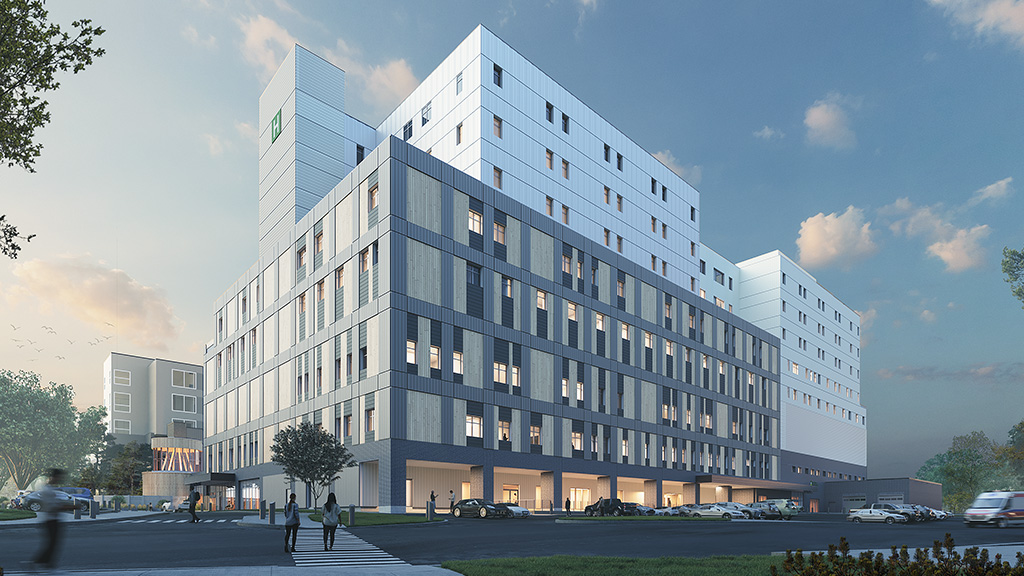
ICI investment is also slated to increase, supported by ongoing and planned health care and institutional developments.
“Manitoba’s construction outlook is heavily influenced by a list of significant engineering-construction and institutional-building projects across the forecast period,� explained Irwin Bess, executive director of BuildForce Canada, in a statement. “Should any of a series of significant, announced, projects on our watch list reach final investment decisions, employment demands could rise even further.�
By 2035, employment in the sector is projected to rise by 11 per cent compared to 2025 levels.
The growth means Manitoba could need as many as 3,400 additional workers across the total construction sector by 2035. When added to the potential retirement of 10,000 workers, or 20 per cent of the 2025 labour force, the industry may face a total hiring requirement of 13,400 workers. However, that figure is expected to be offset by the recruiting of 11,700 first-time new entrants from the local population. This leads to a potential shortfall of as many as 1,700 construction workers.
Residential sector propels Saskatchewan’s outlook
Construction activity in Saskatchewan is expected to rise through to 2035, with strong growth in the residential sector.
The BuildForce forecast predicts muted growth in the construction of non-residential buildings, with fluctuations tied to the timing of major projects, and strong increases in activity relating to both new-housing construction and residential renovations.
In the near term, elevated levels of investment in engineering construction are sustained by ongoing work on resource and utilities projects, including the BHP Jansen Potash mine, the Foran-McIlvenna Bay mine and the Aspen Power Station, along with the anticipated start of the Denison Mines Wheeler River uranium project. The start of work on the second phase of the Jansen Potash mine supports elevated levels of activity through to 2031.
ICI investment is expected to contract modestly over the forecast period. In the short term, activity is supported by a large volume of health care and education projects, including the Prince Albert Victoria Hospital development and the Saskatchewan Polytechnic Saskatoon campus renewal, along with industrial projects such as the Red Leaf Pulp facility.
By 2035, non-residential construction employment is expected to ebb and flow in line with project timing and remain almost unchanged from the highs recorded in 2025, BuildForce adds.
“Activity levels in Saskatchewan’s non-residential construction sector are being shaped by the timing of several major resource and infrastructure projects,� stated Bess. “If a number of proposed projects currently under consideration, including the Bell Canada AI Data Centre, the K+S Potash Canada expansion, and several small modular reactors, reach final investment decisions, non-residential labour demand could rise significantly over the long term.�
Residential construction is expected to trend “strongly upward across the forecast period, driven by growth in new-home construction activity and supported by rising renovation demand,� the release reads.
Anticipated interest rate stability and strong real income gains are expected to elevate starts for single-detached units to the end of the decade, with levels nearly doubling over this period between 2025 and 2035.
Investment in residential renovations is also expected to increase steadily over the forecast period.
By 2035, residential construction employment is expected to rise by 23 per cent compared to 2025 levels.
Overall, Saskatchewan’s construction labour force may need to add as many as 4,100 new workers to keep pace with demand growth. That figure can be added to the 9,400 workers who are expected to exit the industry due to retirement by 2035, giving a total hiring requirement of 13,500 workers. The projected recruitment of 9,900 first-time new entrants from the local population may lead to a shortfall of as many as 3,600 construction workers in the province.




Recent Comments
comments for this post are closed